Lincoln & Indian Head Cents Display Cases & Coin Albums
31 products
Showing 1 - 24 of 31 products
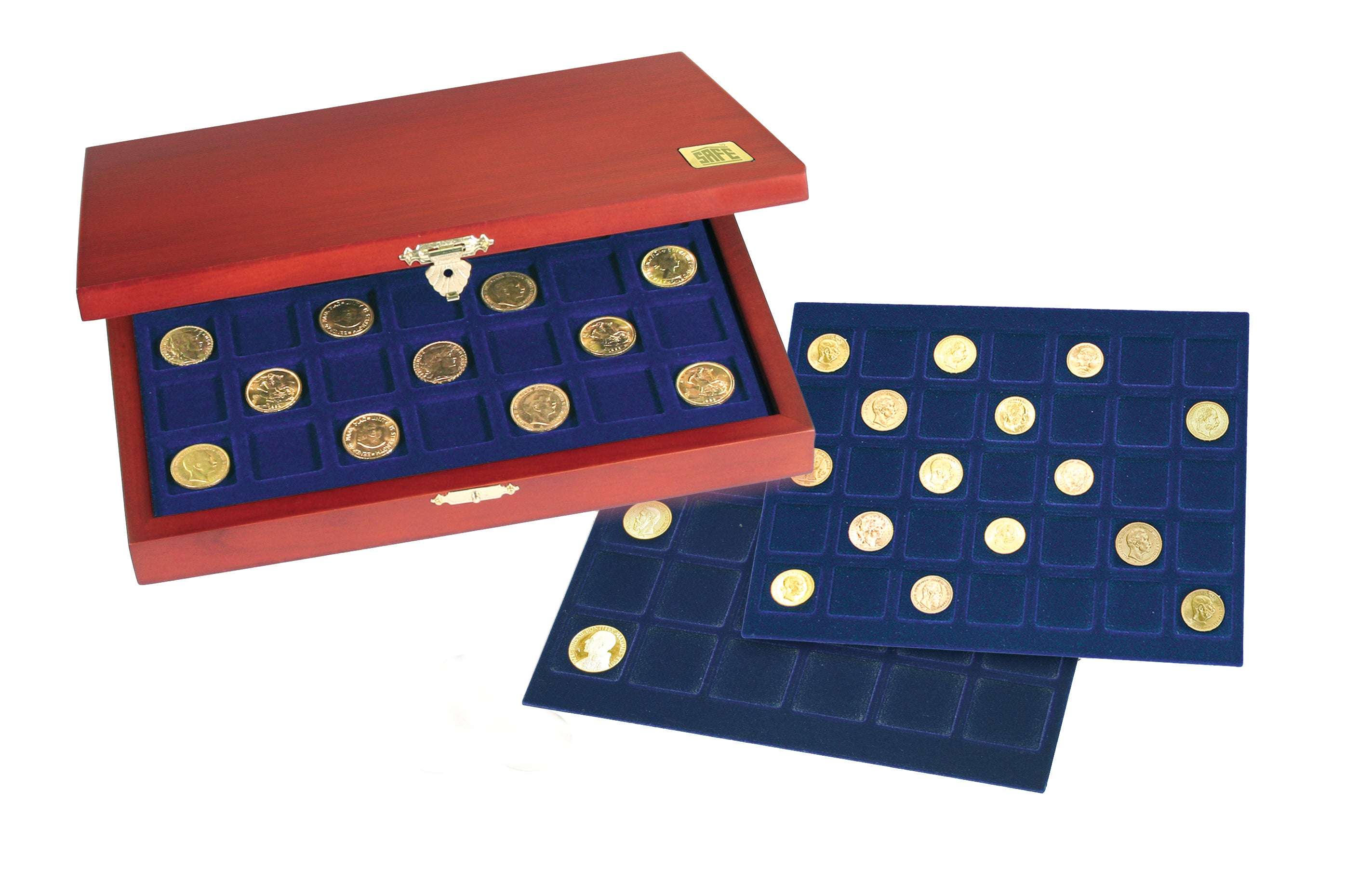
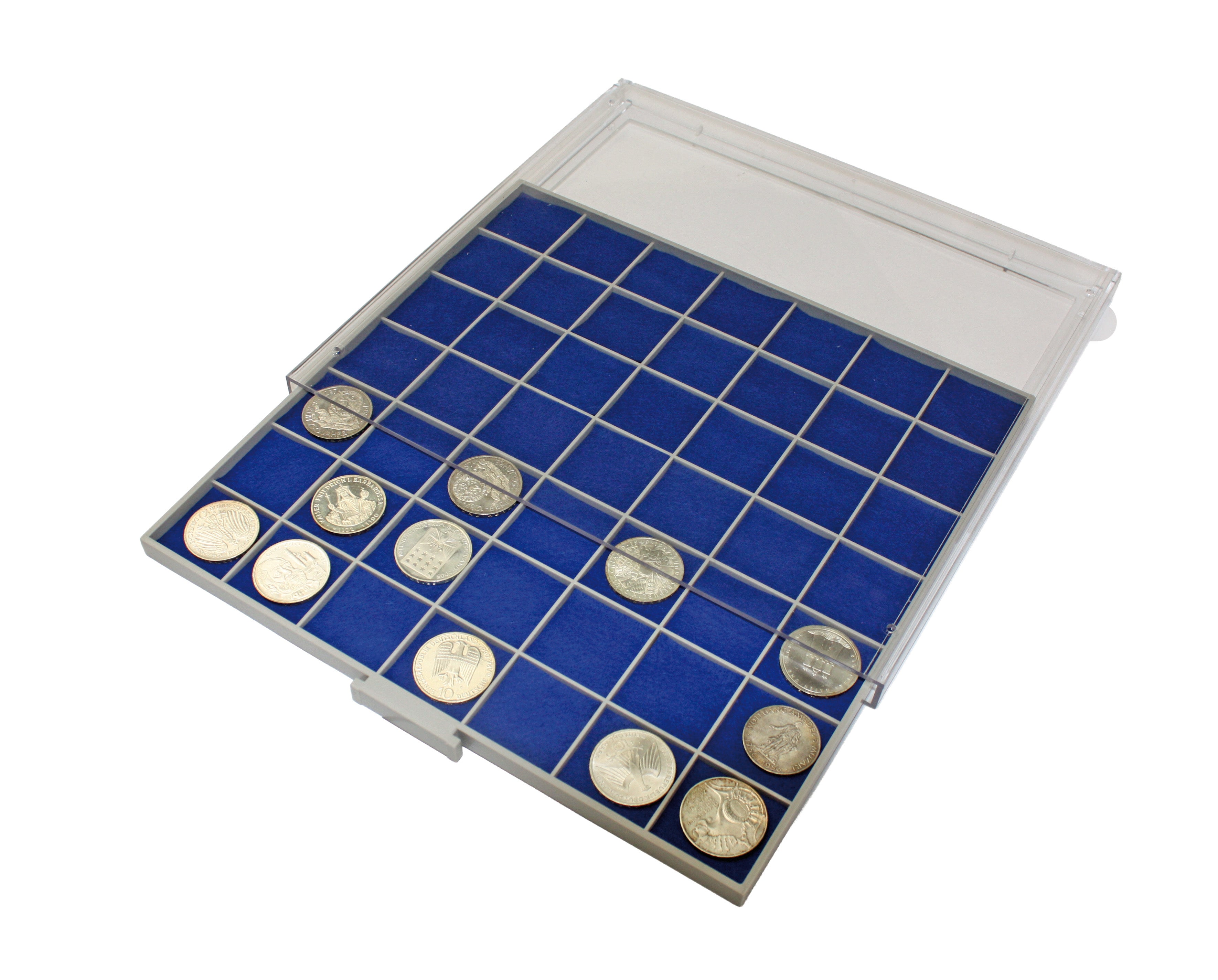
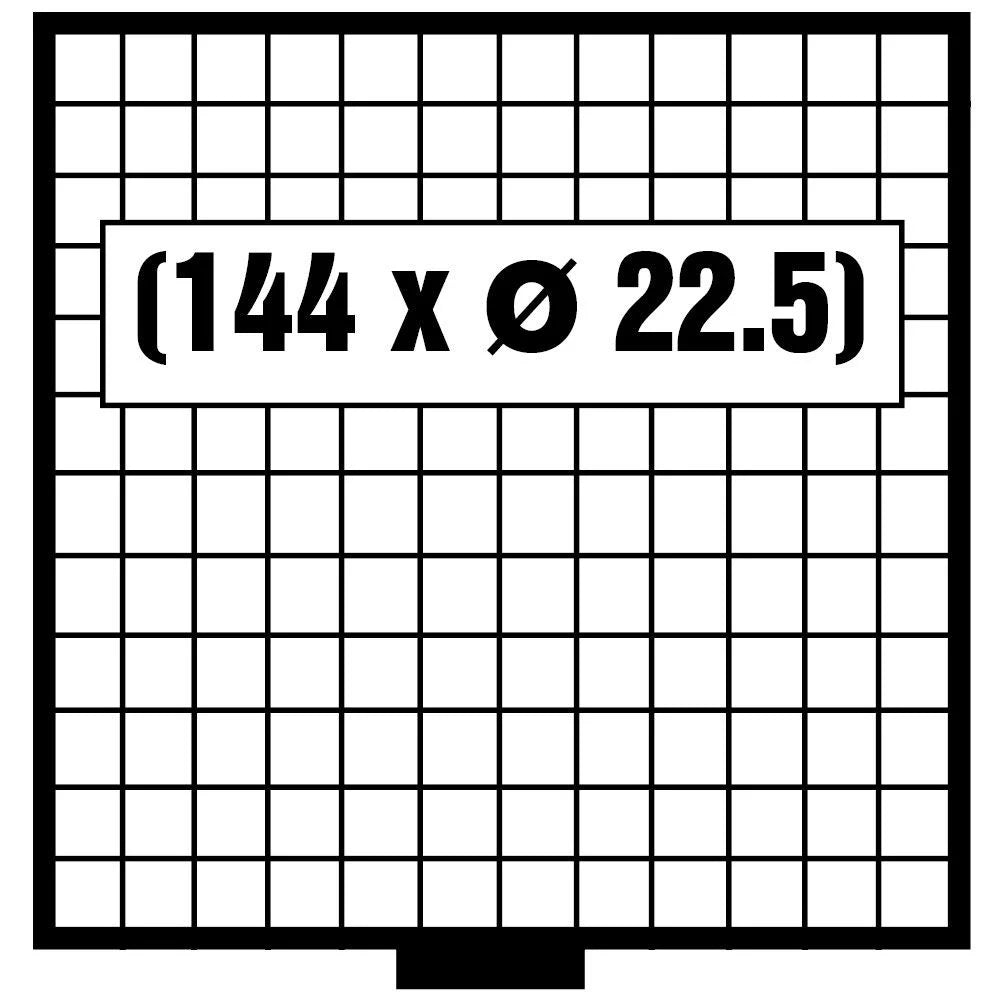
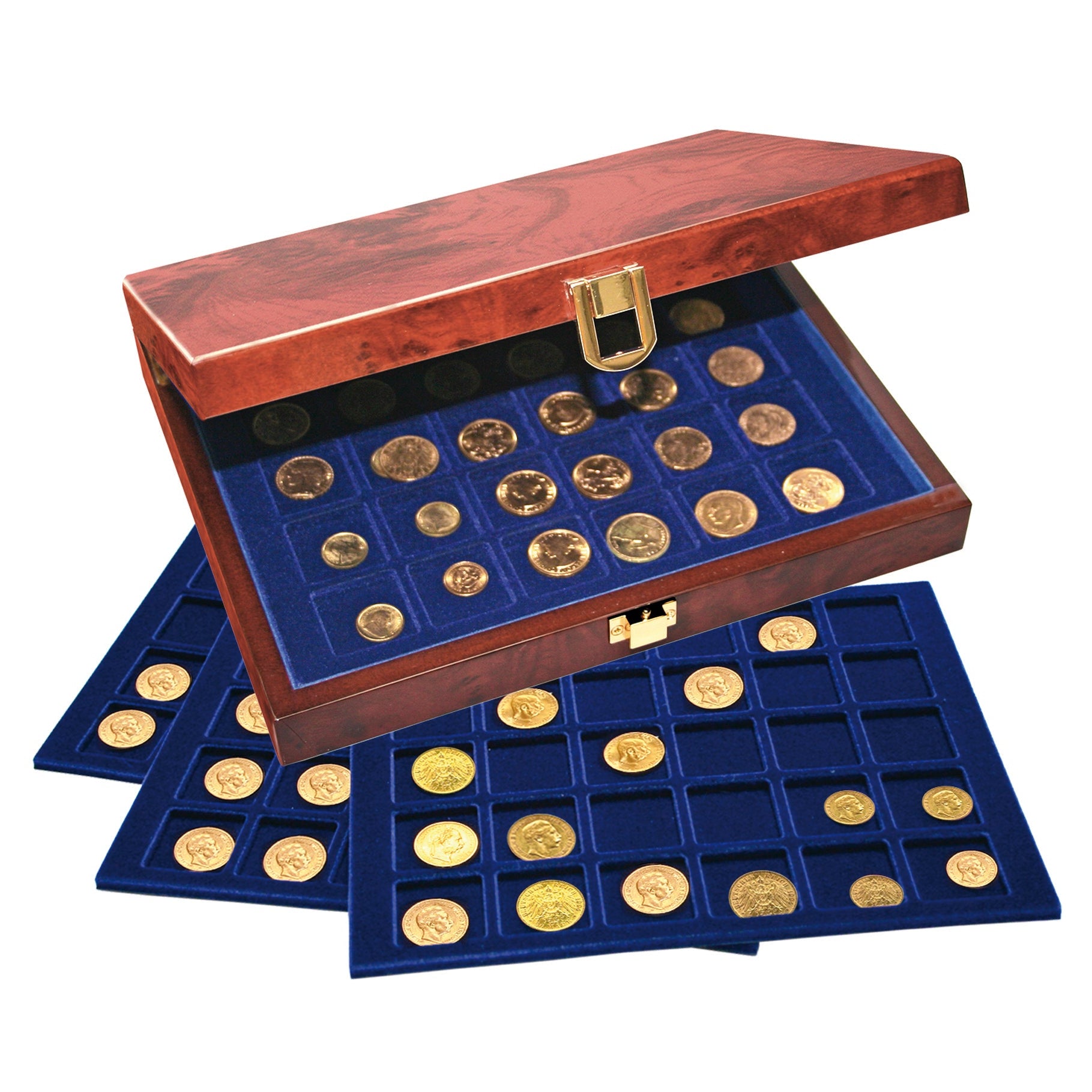
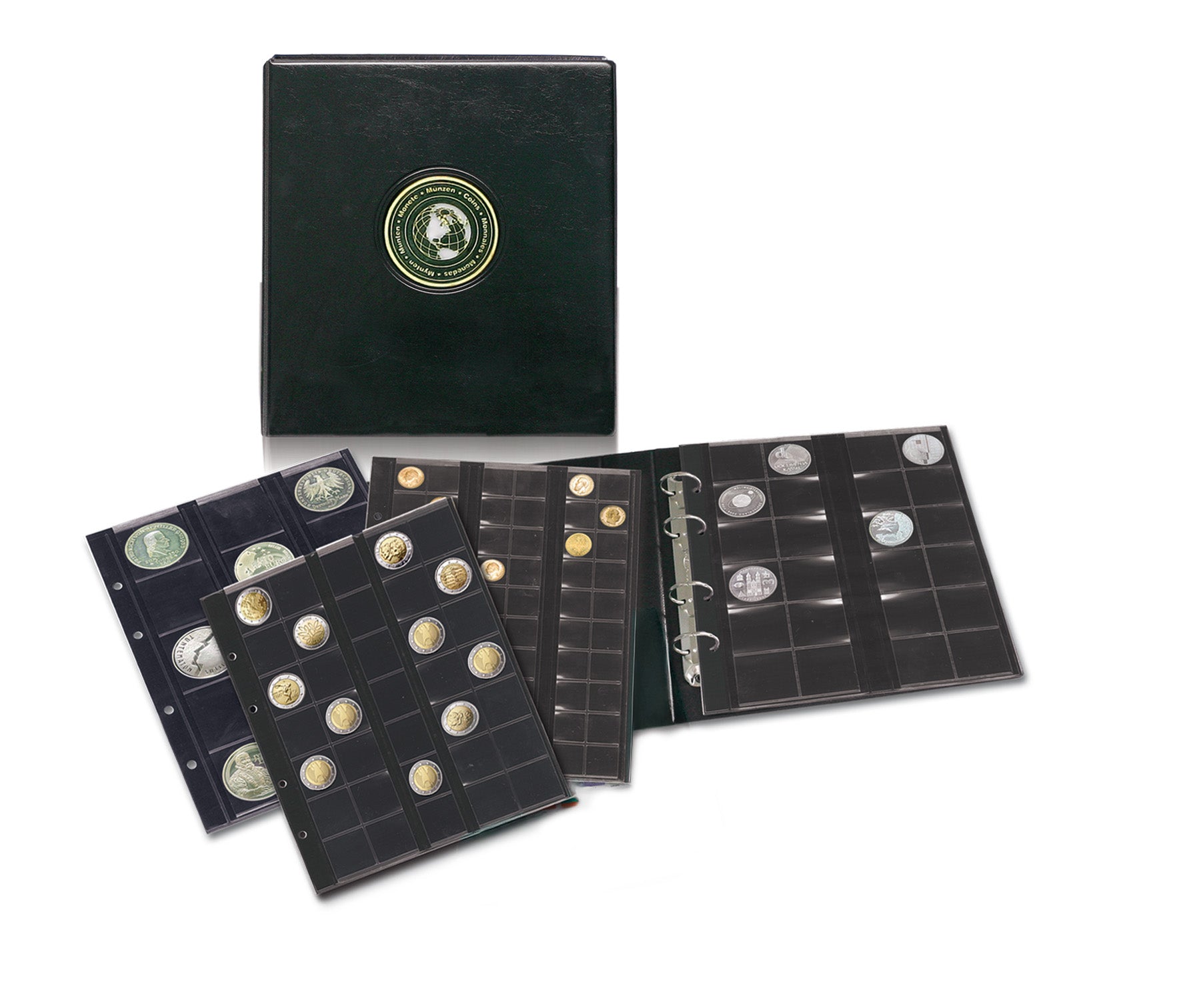
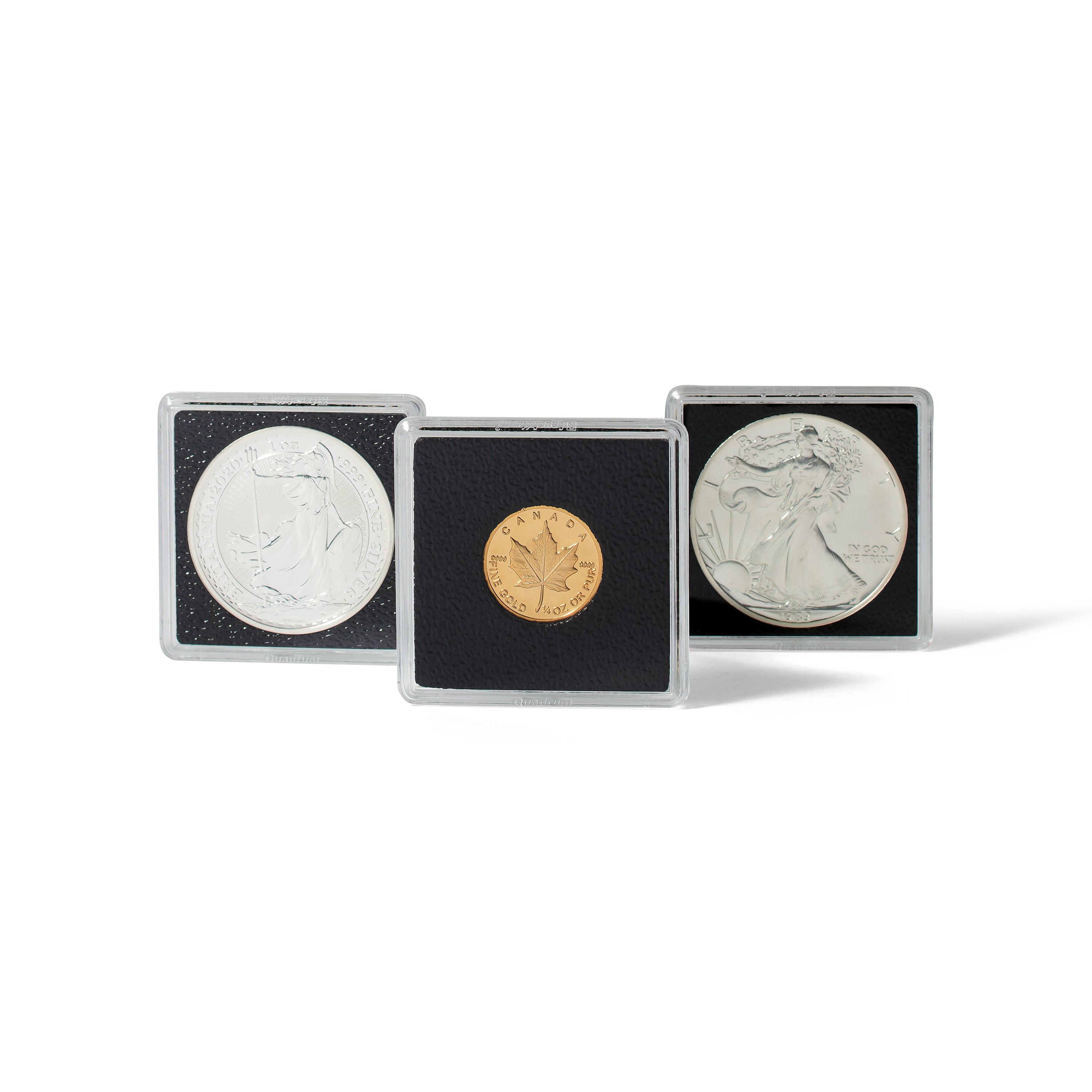
Protect and showcase your Lincoln and Indian Head cents with SAFE’s precision-fit coin storage solutions. These iconic one-cent coins measure 19.05 mm and require properly sized albums, coin holders, capsules, and coin cases to prevent scratches, moisture exposure, and oxidation while keeping collections organized and easy to view. SAFE’s customizable storage systems help collectors catalog, preserve, and display pennies with confidence, whether building a date run, preserving key dates, or showcasing historic issues. Ideal for both beginner and advanced numismatists, these solutions ensure long-term protection and professional presentation. If your coins are certified/graded, browse our solutions for certified slabs here.


Best Ways to Store & Display a Lincoln & Indian Head Cent Collection
The best way to store and display Lincoln and Indian Head cents is with storage designed specifically for 19.05 mm coins and made from archival, PVC-free materials. Pennies are especially sensitive to air, humidity, and handling, which can cause discoloration or corrosion over time. SAFE coin storage products are engineered for long-term preservation, making them a trusted solution among serious collectors.
SAFE cent albums allow collectors to organize date runs and mint marks in a clear, structured format, while SAFE coin capsules securely hold individual cents to prevent wear. For higher-value coins such as key-date Indian Heads or early Lincoln cents, SAFE presentation cases and slab storage boxes provide added protection and display appeal. Using SAFE albums, capsules, and cases ensures pennies remain protected, organized, and beautifully presented for decades.

History of the U.S. Penny
The U.S. penny is one of America’s oldest and most collected coins, first issued in 1793 shortly after the U.S. Mint was established. Early pennies were large copper coins featuring Liberty with flowing hair, symbolizing freedom. In 1857, the coin became smaller and changed composition, introducing the Flying Eagle design, followed by the beloved Indian Head cent (1859–1909), a favorite among numismatists for its classic American imagery.
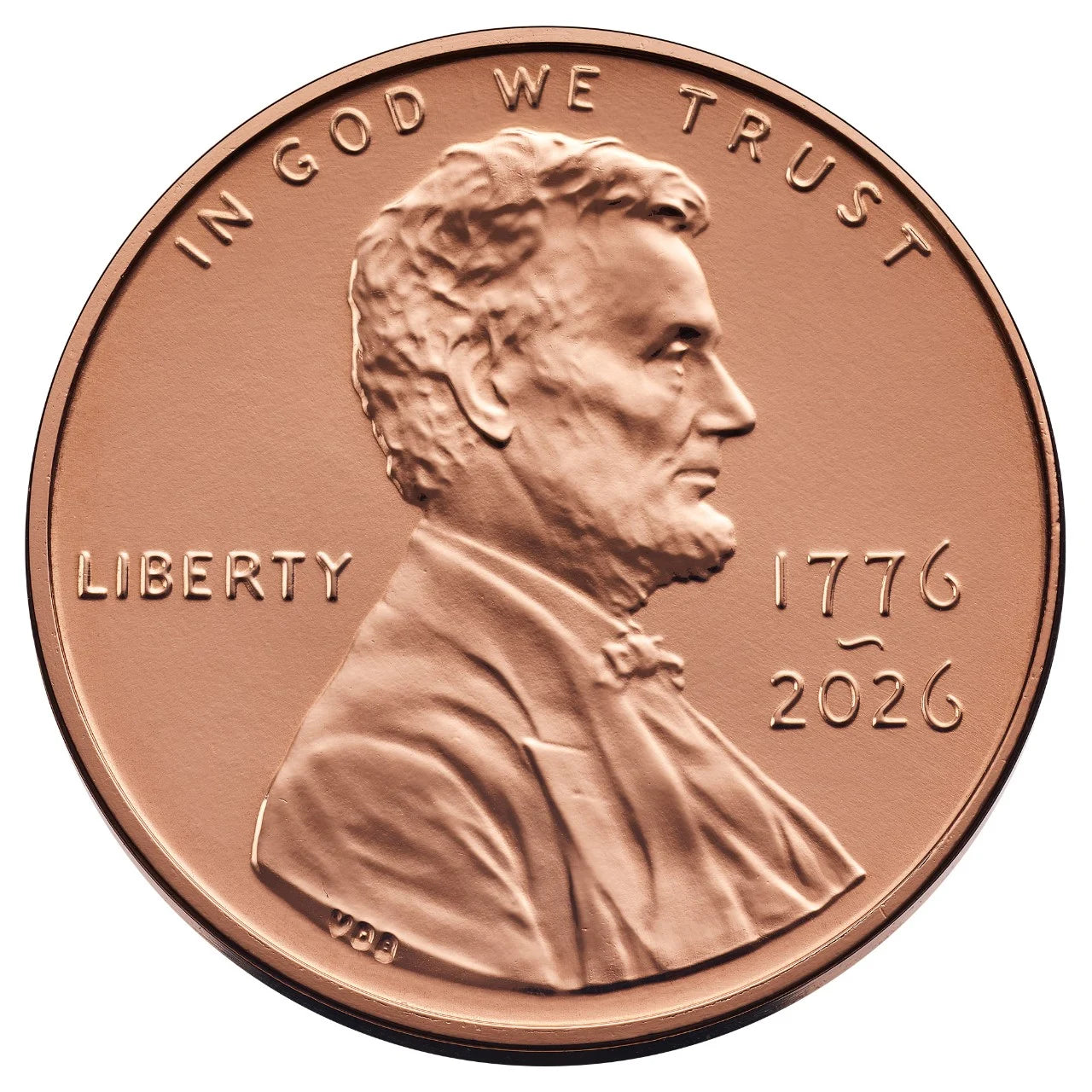
In 1909, Abraham Lincoln became the first real person depicted on a U.S. circulating coin, marking a turning point in American coin design. Victor David Brenner’s Lincoln portrait endures today. Reverse designs have transitioned from wheat ears (1909–1958) to the Lincoln Memorial (1959–2008), the 2009 Bicentennial series, and today’s Union Shield design introduced in 2010.
In late 2025, the U.S. Mint suspended production of new pennies to reduce costs, after each penny eventually cost more than three cents to make. Pennies remain legal tender and billions remain in circulation. These historical developments make the penny both a fascinating collectible and a cornerstone of U.S. numismatic history.