Indian & Jefferson Nickel Coin Display Cases & Coin Albums
30 products
Showing 1 - 24 of 30 products
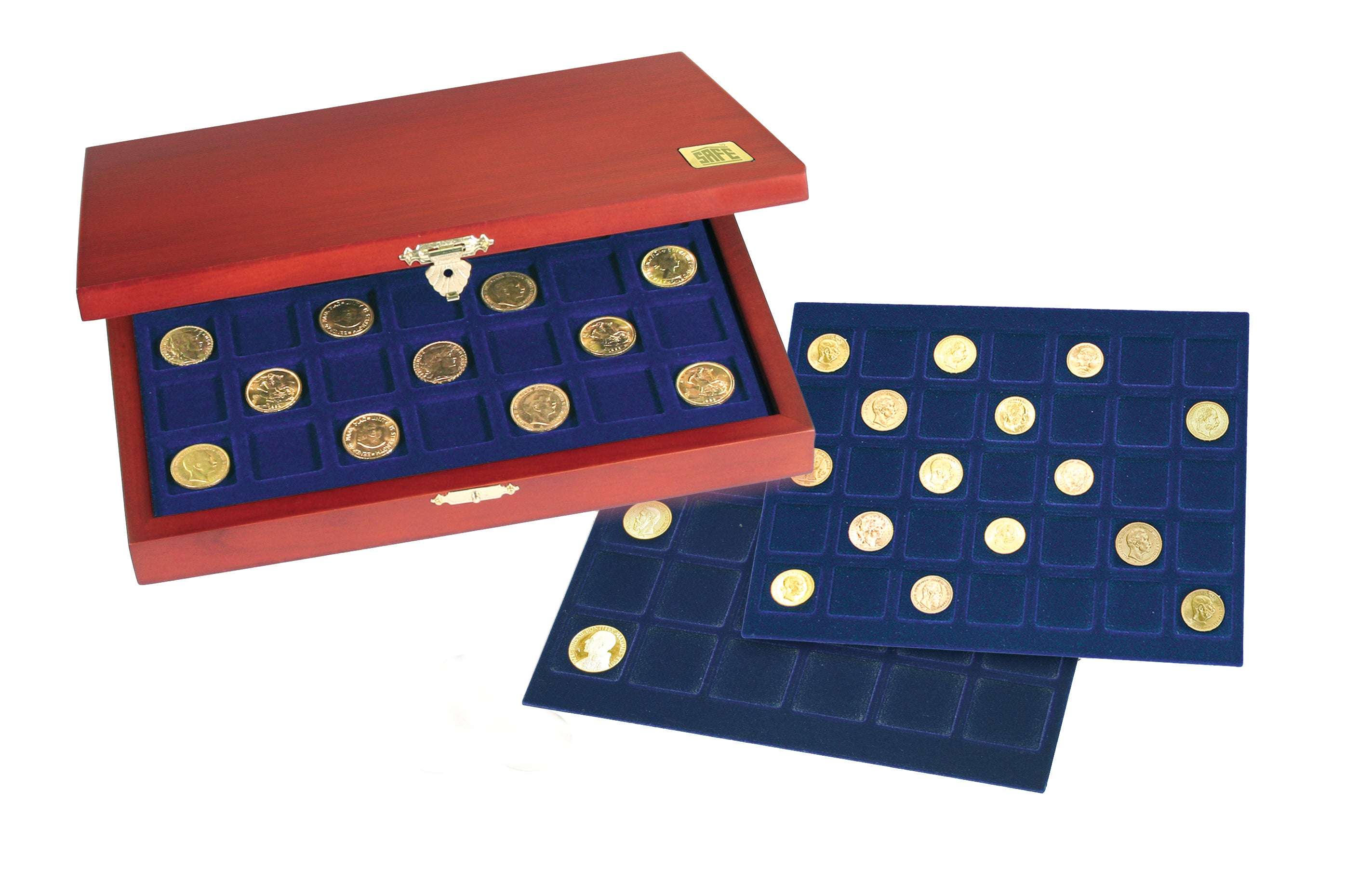
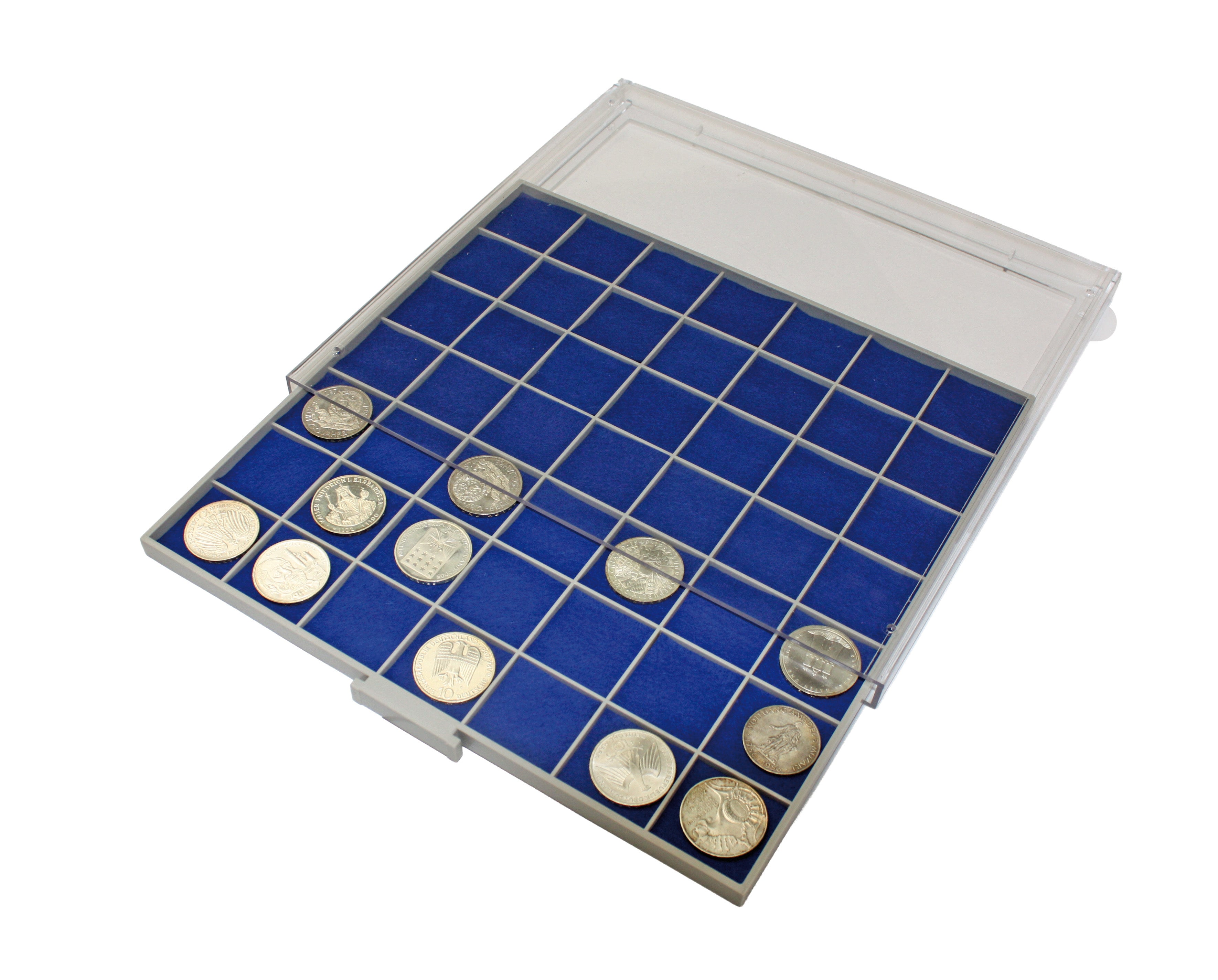
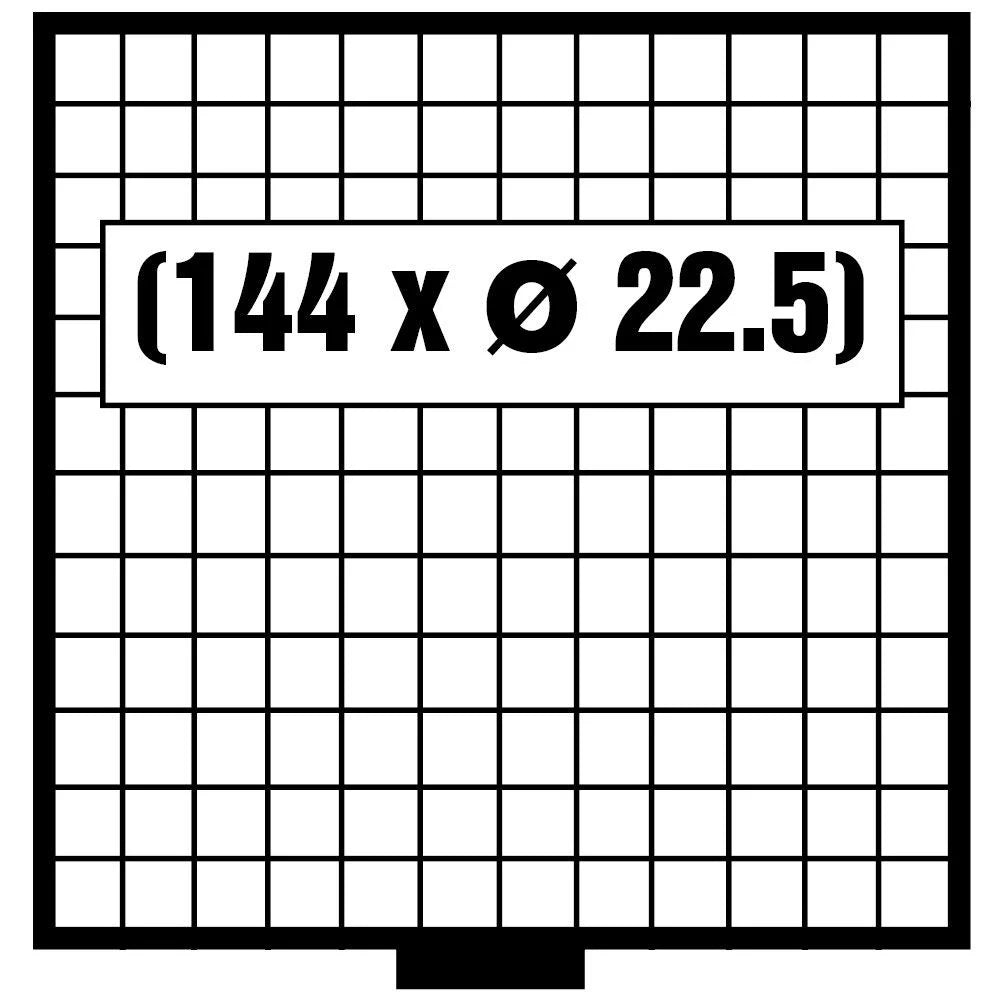
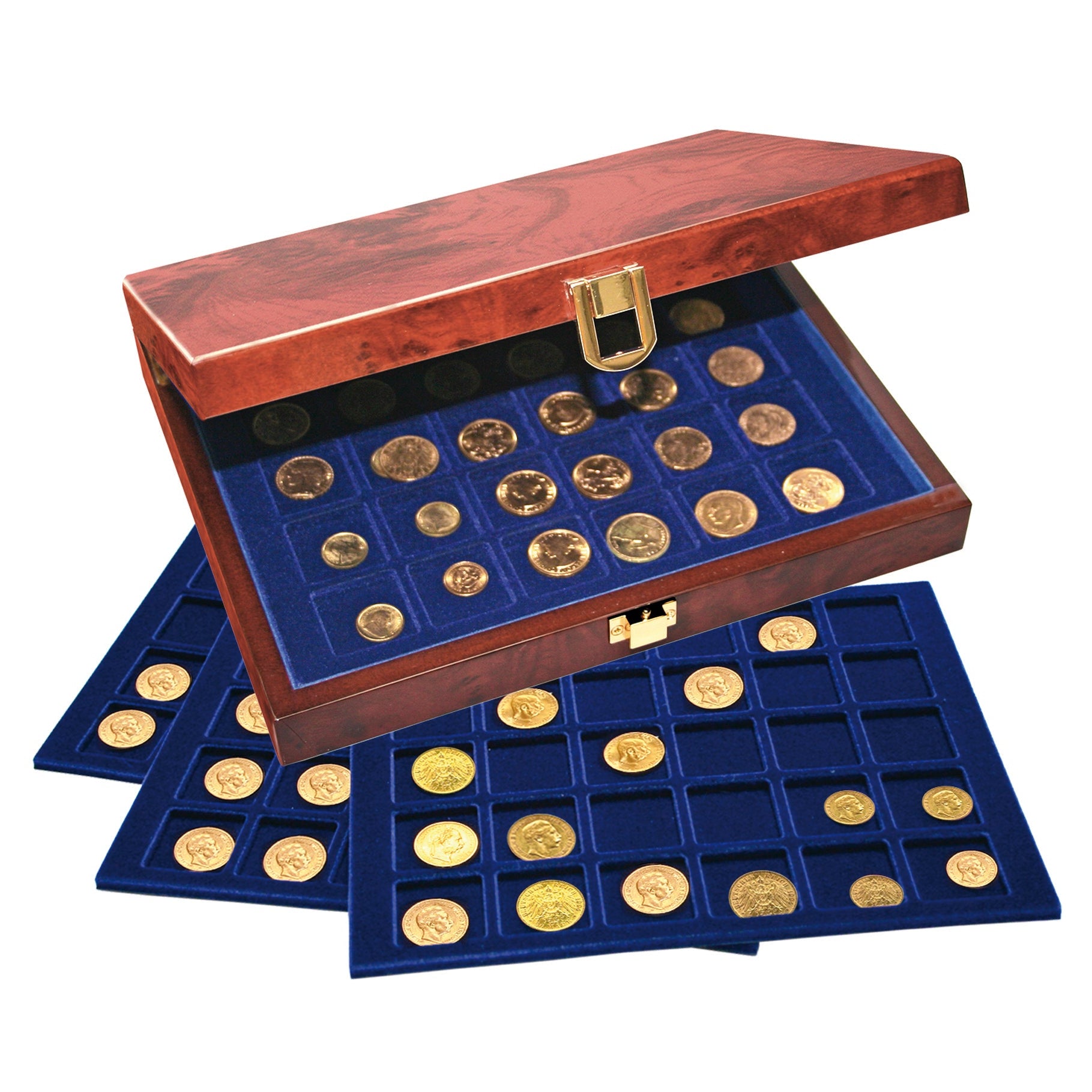
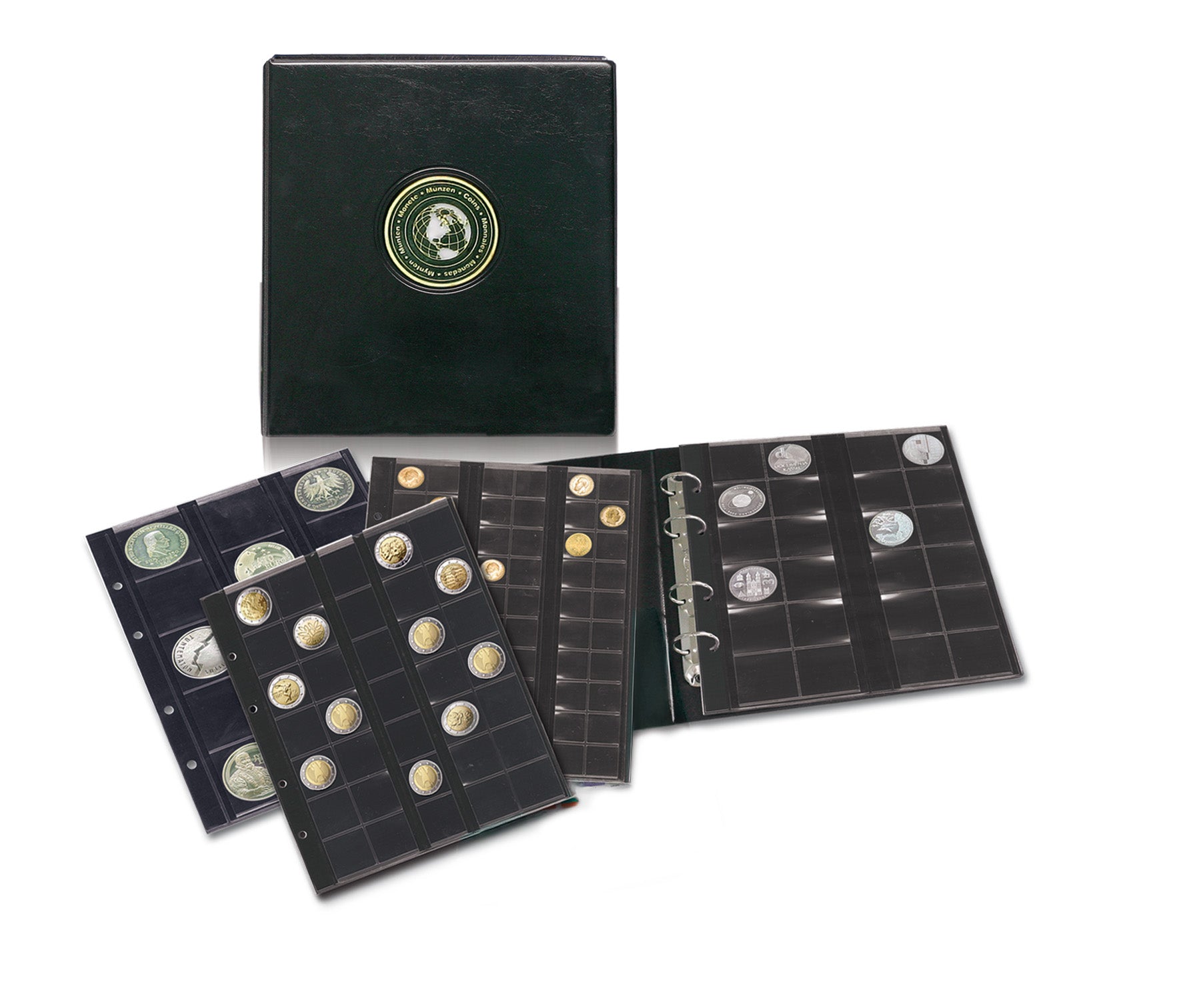
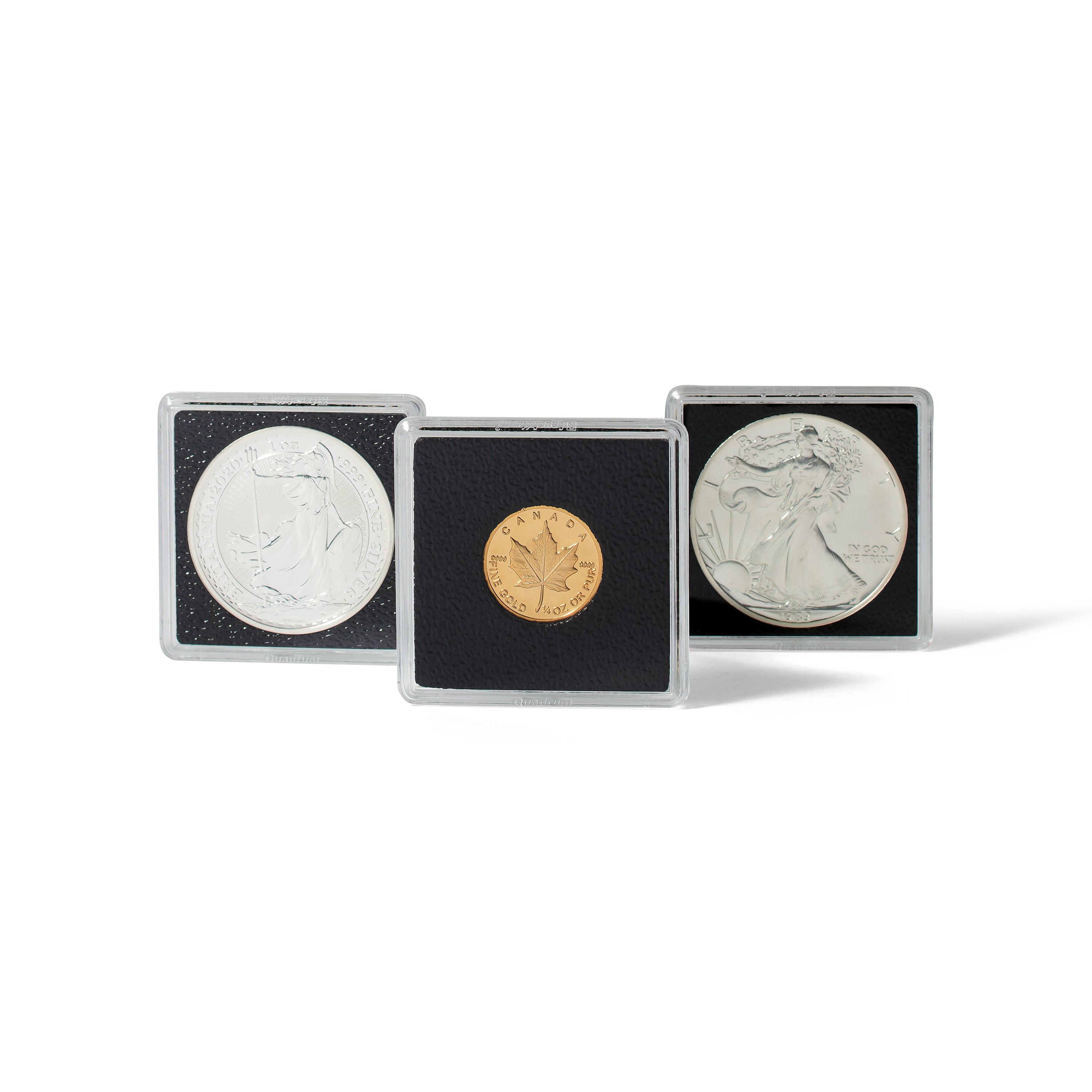
Protect and showcase your Indian and Jefferson nickels with SAFE’s precision-fit coin storage solutions. These historic five-cent coins measure 21.21 mm and require properly sized coin albums, coin holders, and coin cases to prevent scratches, moisture exposure, and surface wear while keeping collections organized and easy to view. SAFE’s customizable systems help collectors catalog date runs, mint marks, and special issues with confidence. Ideal for both beginner and advanced numismatists, these coin storage options ensure nickels remain secure, preserved, and professionally presented for long-term collecting and display. If your coins are certified/graded, browse our solutions for certified slabs here.


Best Ways to Store & Display a Nickel Collection
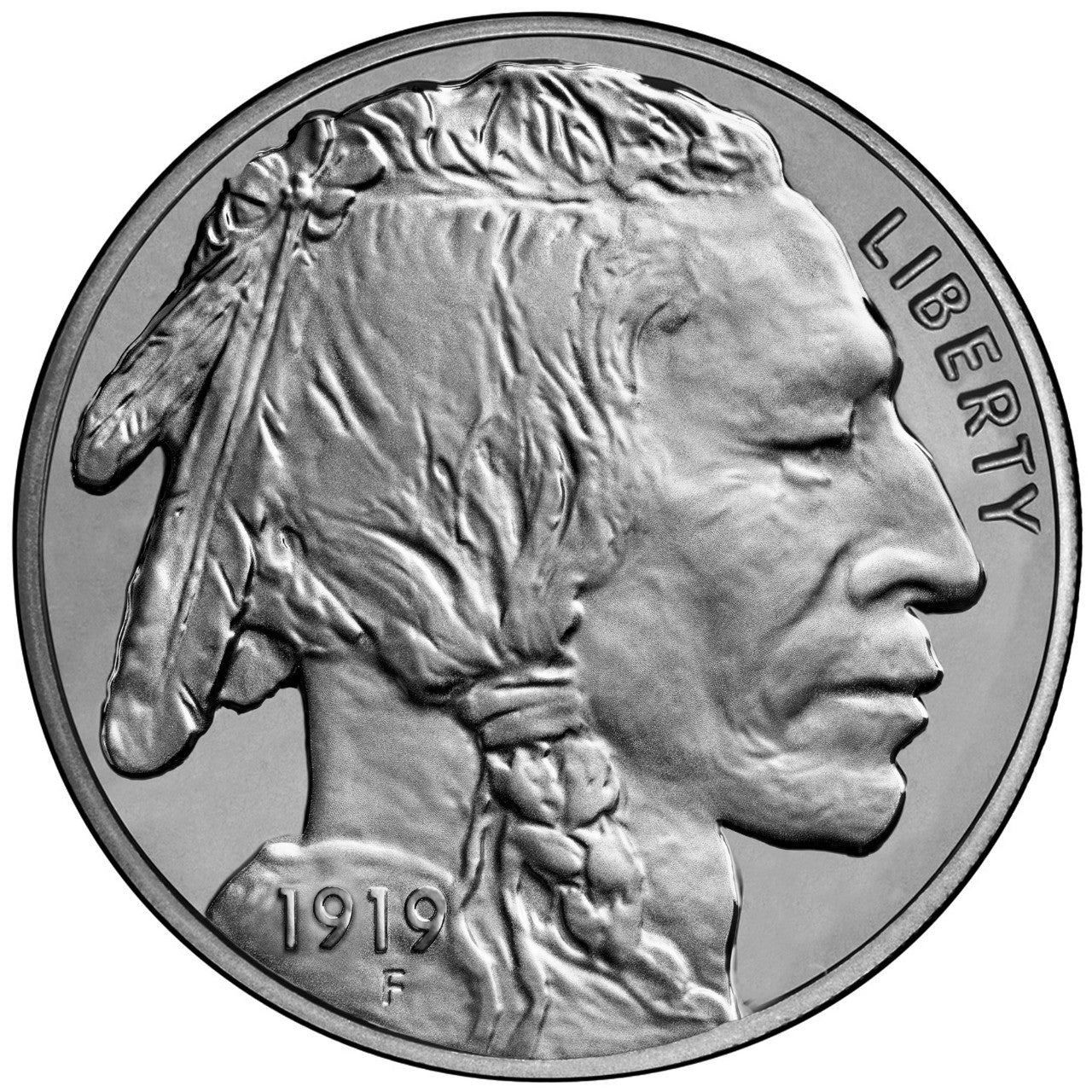
The best ways to store and display Jefferson and Indian/Buffalo nickels start with using storage made specifically for 21.21 mm coins and built from archival, PVC-free materials. Nickels are prone to contact marks and environmental toning, making proper storage essential for preserving detail and collector value. SAFE coin storage products are designed for long-term protection and are widely trusted by numismatists.
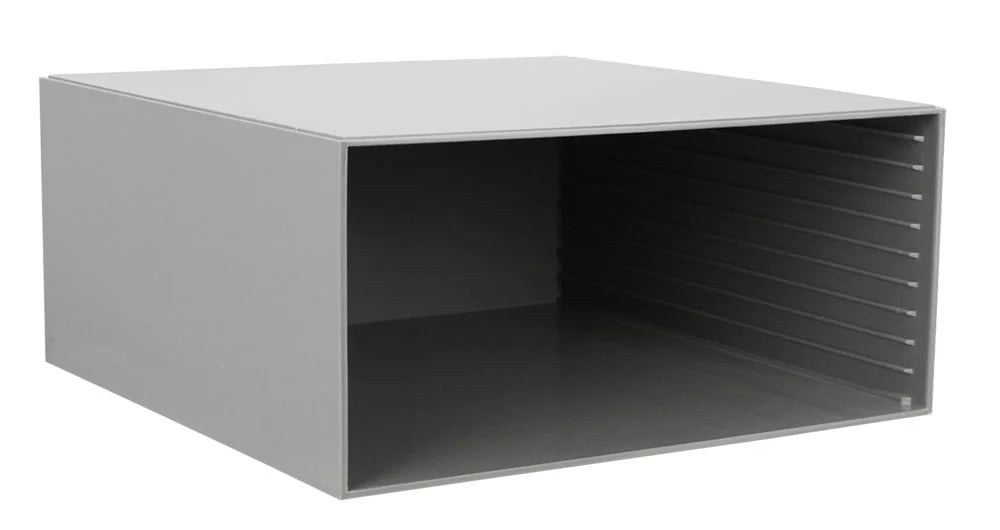
SAFE nickel albums allow collectors to organize date and mint mark sets in a clear, structured format, while SAFE coin capsules securely hold individual coins to prevent friction and handling damage. For higher-value Buffalo nickels or key-date Jeffersons, SAFE presentation cases and slab storage boxes provide enhanced protection and display appeal. Using SAFE albums, capsules, and cases gives collectors a reliable system to protect condition, maintain value, and showcase nickel collections with confidence.

History of the U.S. Nickel
The story of the U.S. nickel begins before nickel was even used in the coin. The first five-cent pieces issued in the late 18th century were small silver coins known as half dismes (pronounced “dime”), featuring Liberty and an eagle. In 1866, the Mint introduced a larger copper-nickel five-cent coin that became popularly known as the “nickel,” a format that continues today.
One of the most celebrated designs is the Buffalo nickel (1913–1938) by James Earle Fraser, depicting a Native American portrait on the obverse and an American bison on the reverse. Its bold, distinctly American imagery makes it a favorite among collectors. In 1938, the Jefferson nickel debuted, designed by Felix Schlag, featuring Thomas Jefferson and his home, Monticello.
During World War II, nickels were struck with a special silver alloy to conserve nickel for the war effort, and large mint marks appeared above Monticello. Modern collectors also value the 2004–2005 Westward Journey series and the 2006 “Return to Monticello” design. With centuries of design evolution and historical ties, the U.S. nickel remains a cornerstone of American numismatics.