




Best Ways to Handle, Protect & Organize a Stamp Collection
Frequently Asked Questions
What tools do I need for stamp collecting?
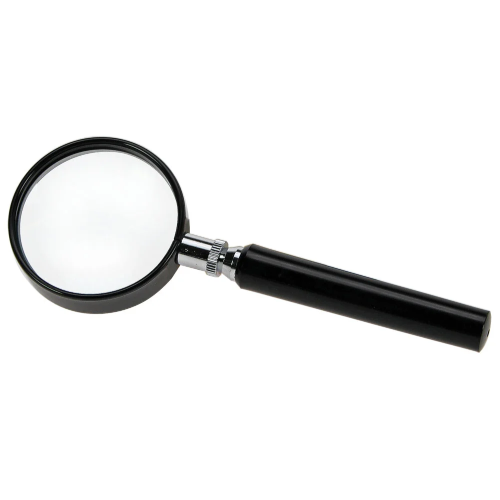
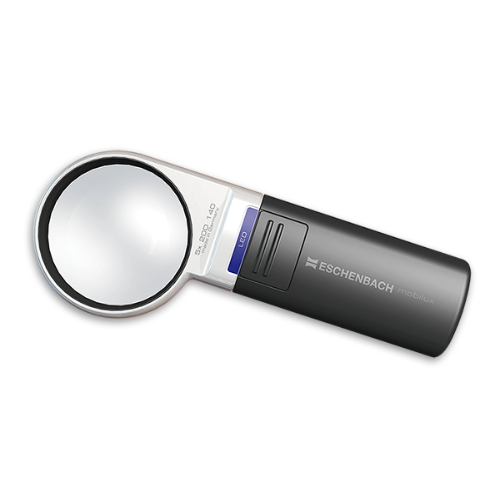
Start with three tools: stamp tongs to handle stamps without skin oils or tears, a magnifier to check perforations and condition, and a perforation gauge to measure perfs. As your collection grows, add a watermark detector, a UV lamp, and a drying press for stamps you soak off paper.
Why should I use stamp tongs instead of my fingers?
Skin oils and moisture can stain stamps and damage gum, and fingers easily crease or tear a stamp. Tongs grip a stamp by its margin without bending it. SAFE stamp tongs are made from Solingen steel in six tip styles, and rounded or spade tips are the safest choice for beginners.
How do I find a stamp's watermark?
Use a watermark detector. The Signoscope T3 and Signoscope PRO reveal a stamp's watermark with no watermark fluid needed, so they're safe for mint stamps with original gum. Many valuable varieties differ only by their watermark, so a detector is essential for identifying them. Shop watermark detectors.
What's the difference between a shortwave and a longwave UV lamp?
Shortwave UV reveals phosphor tagging on modern stamps, which is how many postal varieties are told apart. Longwave UV shows differences in paper and ink and helps spot repairs, regumming, and other alterations. Serious collectors often keep one of each. Shop UV lamps.
How do I measure stamp perforations?
Perforations are measured as the number of holes in 2 centimeters along a stamp's edge. A printed perforation gauge does the job, and the PERFOtronic electronic gauge measures the perf count for you for faster, more precise readings. Shop perforation gauges.
What does a stamp drying press do?
After you soak stamps off envelope paper, a drying press flattens them as they dry so they don't curl or wrinkle. SAFE offers a manual drying press, a heavy-duty stamp drying book, and the SAFEpress electric drying press for larger batches. Shop stamp drying tools.